
Service overview
SPAROS has supported the development of the Veramaris Omega‑3 Deposition Model (O3D), a cloud‑based analytical web application designed to communicate nutritional value and scenario outcomes in a clear, data-driven manner. The O3D tool integrates nutritional datasets with fatty-acid dilution models to deliver intuitive visualisations that support technical discussions around delivering the appropriate levels of EPA and DHA in aquafeeds and achieving the desired Omega‑3 content in Atlantic salmon fillets.
Challenge
Seafood, particularly oily fish, is a key dietary source of the essential Omega‑3 fatty acids EPA and DHA, which are widely recognised for their health benefits. Veramaris offers a certified, science‑based alternative to fish oil in animal feed by supplying EPA and DHA from industrially cultivated algae. By reducing reliance on wild fisheries, Veramaris’ approach addresses a well‑recognised bottleneck to the sustainable scaling of salmon, shrimp and other marine aquaculture species.
As part of its mission, Veramaris aimed to equip salmon‑sector stakeholders with practical tools to ensure that farm‑raised salmon consistently meets consumer expectations for nutritional quality.
Meeting Veramaris’ needs
Veramaris had already established a strong scientific foundation, with its research published in peer‑reviewed journals. SPAROS’ role was to provide end‑to‑end support, combining nutritional‑based modelling expertise with cloud‑based web application development to translate this science into a practical digital tool:
- Structuring the computational engine
A key technical challenge was enabling dual functionality: the model needed not only to predict fillet fatty‑acid composition from a given dietary Omega‑3 input, but also to operate in reverse – determining how much EPA and DHA must be included in the feed to reach a target fillet composition. SPAROS adapted the published model to ensure that both forward and inverse calculations remained robust and scientifically sound.
- Validation and testing
The scientific model was validated against new datasets and thoroughly tested to ensure stable and reliable behaviour for both expert and non‑expert users.
- Co-designing a user-friendly interface
Scientific validity alone was not sufficient to make the tool broadly usable. To ensure practical adoption by feed producers, salmon farmers and retailers, SPAROS and Veramaris translated the model into a user‑friendly, intuitive interface that balances simplicity with technical depth.
- Implementing the web app
SPAROS developed an R‑ and Shiny‑based web application integrating the modelling engine with the designed interface. Throughout the project, the design and functionality were iteratively refined in close collaboration with the Veramaris team, ensuring that all technical and communication requirements were met.
Impact
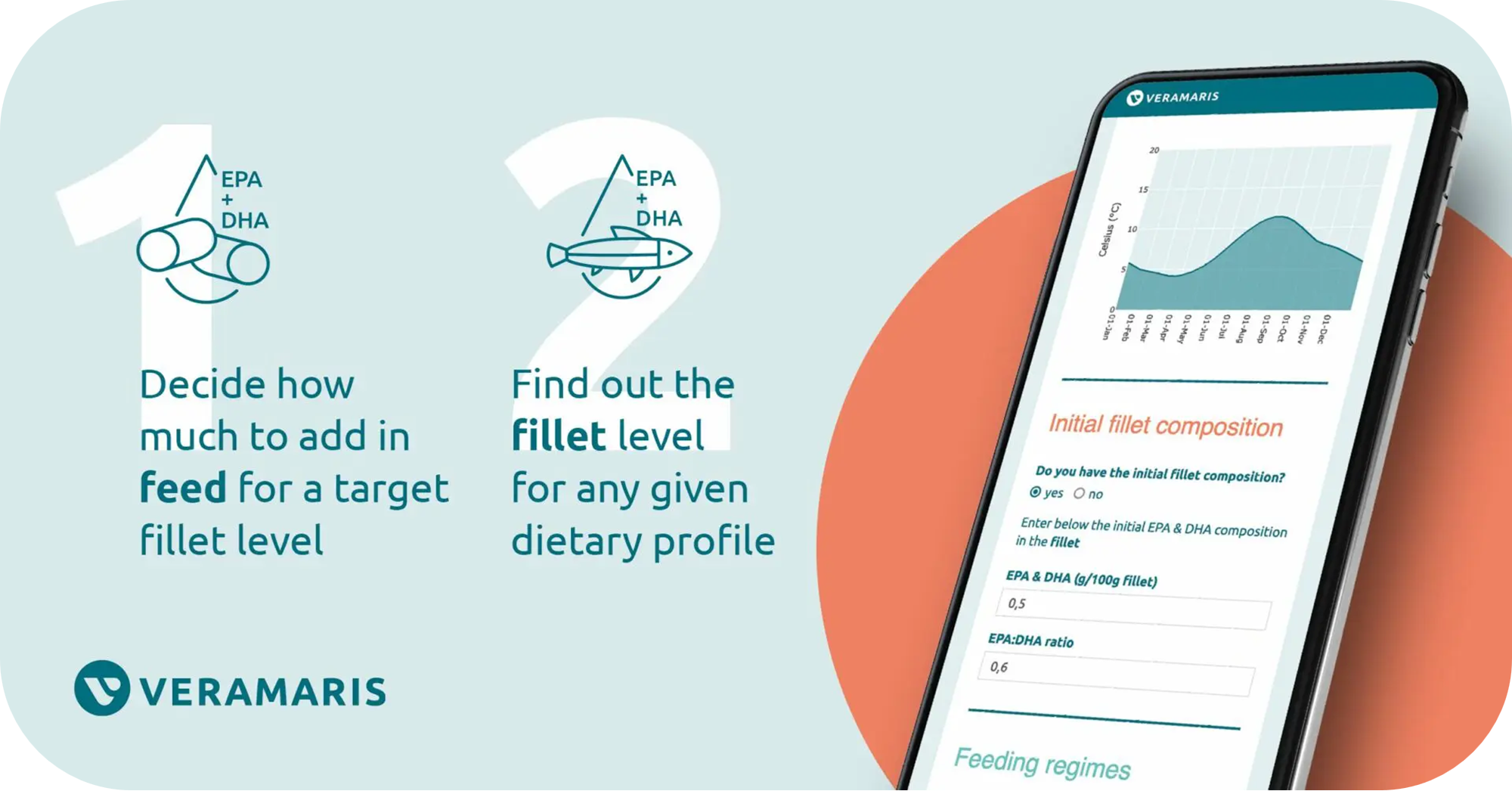
This collaboration brought Veramaris’ vision to life by translating robust scientific knowledge into a practical tool that directly supports precision-nutrition decisions. The result is an online platform that enables rapid scenario comparison and consistent communication across teams. With the O3D web app, Veramaris users can quickly answer questions such as: What fillet Omega‑3 level can I expect from this feeding regime? or How much EPA and DHA do I need to include in the feed to reach a target fillet profile?
It also marked a decisive step for SPAROS, representing the launch of a new line of services within the Digital Nutrition business area and clearly demonstrating the ability to deliver on‑demand digital solutions built around a client’s scientific models and communication goals.
Access Veramaris O3D
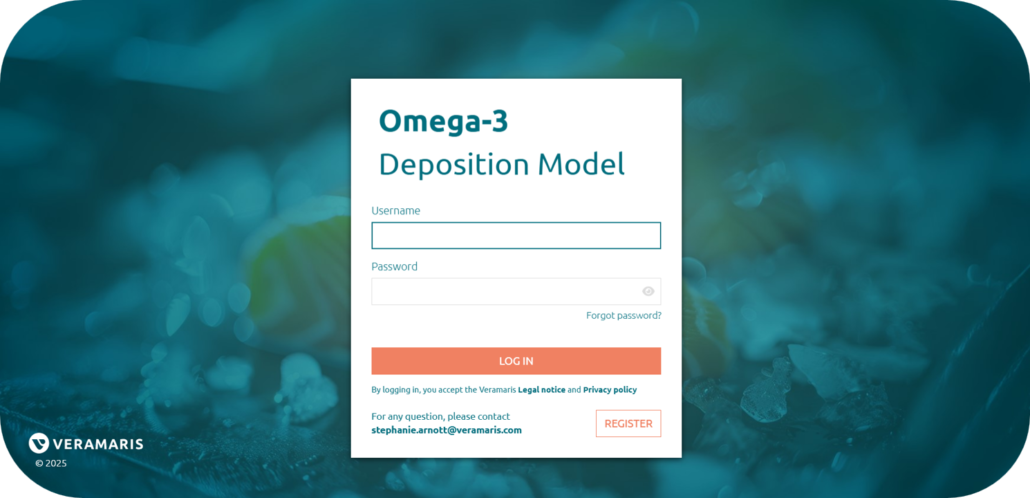
To explore the tool, visit the Veramaris O3D webpage, where you can register to access the O3D model and join the collective effort to set EPA & DHA specifications in salmon feed that satisfy consumer needs for farm-raised salmon, high in Omega-3.
Interested in transforming your data and algorithms into intuitive tools?
Reach out to co-design your next tailored nutritional solutions.